


Experiencing weak airflow from your car’s HVAC system can be frustrating, especially during extreme weather conditions. Whether you rely on air conditioning (AC) to cool down on hot summer days or to provide warmth during cold winters, a weak airflow can hinder your comfort and the system’s efficiency. Understanding the common causes of this issue is essential for effective troubleshooting and resolution.
Weak airflow can result from various factors, including clogged filters, malfunctioning blower motors, or issues within the ductwork. When your AC system isn’t performing optimally, it can lead to a less comfortable cabin environment, increased energy consumption, and even potential damage to the components of the HVAC system. Addressing these issues promptly can not only restore the performance of your air conditioning but also prolong the life of your vehicle’s HVAC system.
In this article, we will explore practical steps to diagnose and fix weak airflow problems in your car’s HVAC system. From checking the air filter to inspecting the blower motor, we will provide you with a comprehensive guide to get your AC running at its best and ensure that you stay comfortable on the road.
Identify Common Causes of Weak Airflow in Your Car’s HVAC
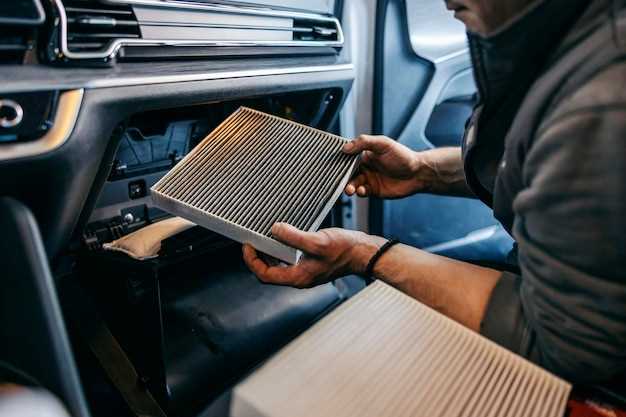
Weak airflow in your car’s HVAC system can be frustrating, especially during extreme weather conditions. Understanding the common causes can help you address the issue effectively.
One primary cause of weak airflow is a clogged cabin air filter. This filter traps dust, pollen, and other debris, preventing clean air from circulating. Regular replacement can ensure adequate airflow through the AC system.
Another issue might be related to the blower motor. If the motor is failing or has a reduced power output, it cannot push air effectively through the system. Testing the blower motor can reveal if it’s functioning as it should.
Duct obstructions can also lead to weak airflow. Items stored in the wrong places can block air ducts, as can accumulated debris. Inspecting and clearing the ducts will improve air distribution inside the cabin.
Leakage in the HVAC system can result in decreased airflow. Over time, hoses and seals can wear out, allowing conditioned air to escape before reaching the cabin. Checking for leaks and repairing them can enhance both airflow and overall efficiency.
Lastly, issues with the AC compressor can lead to weak airflow. If the compressor is not engaging properly, it may not generate enough cool air. Ensuring the compressor is in good working order is crucial for maintaining strong airflow.
Step-by-Step Guide to Clean and Repair Your Car’s AC Components

The functionality of your car’s AC system is crucial for optimal airflow and comfort. If you experience weak airflow, it may be time to clean and repair the AC components. Follow this step-by-step guide to effectively address your vehicle’s AC issues.
First, ensure your vehicle is parked in a safe area and turn off the engine. Start by locating the cabin air filter, which is typically found behind the glove compartment or under the dashboard. Remove the filter and inspect it for dirt and debris. If it appears clogged, replace it with a new one to enhance airflow.
Next, check the AC evaporator and condenser. These components can accumulate dust and debris over time, affecting their efficiency. Use a soft brush and a vacuum cleaner to gently clean the surfaces. Be cautious not to damage any fins during the process.
After cleaning the exterior components, inspect the AC drain line for blockages. A clogged drain can cause water to back up, leading to reduced airflow. Use a flexible wire to carefully remove any obstructions from the drain line.
Proceed to check the AC compressor for any signs of wear or damage. If you notice any issues, such as unusual noises or leaks, it may require professional repair. If the compressor is functioning well, ensure all electrical connections are secure and free from corrosion.
Finally, recharge your AC system if necessary. Use a refrigerant recharge kit, following the instructions provided. Ensure the proper quantity of refrigerant is added to maintain optimal performance and airflow.
By following these steps, you can effectively clean and repair your car’s AC components, ultimately fixing weak airflow issues and ensuring a comfortable driving experience.
When to Seek Professional Help for HVAC Problems
Identifying when to seek professional help for HVAC issues is crucial to maintaining optimal performance in your car’s climate control system. Here are some key indicators that suggest it’s time to consult an expert:
- Persistent Weak Airflow: If you’ve attempted to fix weak airflow issues and noticed no significant improvement, it’s essential to get professional assistance. A qualified technician can diagnose underlying problems such as clogged ductwork or a malfunctioning blower motor.
- Unusual Noises: Sounds like rattling, grinding, or whistling while the AC is running can signal mechanical problems. These noises could indicate failing components that need to be inspected or replaced by a professional.
- Unpleasant Odors: If your HVAC system is emitting foul smells, it could indicate mold or mildew buildup in the ventilation system. Professionals can perform the necessary cleaning and sanitization to ensure safe airflow.
- Inconsistent Temperatures: If the temperature inside your vehicle varies dramatically, even when the AC is set to a specific level, this inconsistency warrants a professional diagnostic to identify and fix issues with the HVAC system.
- Coolant Leaks: If you notice any fluid leaks beneath your car, particularly refrigerant, it’s critical to seek professional help. Low refrigerant levels can affect airflow and overall AC performance.
- Frequent System Cycling: If your AC frequently turns on and off without reaching the desired temperature, it could indicate a larger issue, such as a malfunctioning thermostat or pressure imbalance. A technician can pinpoint the issue and advise on repairs.
Taking prompt action when you notice these problems can prevent further damage to your HVAC system. Regular professional maintenance can also help ensure that your car’s airflow is always at its best, reducing the chances of future issues.


