


As the winter season approaches, the importance of equipping your vehicle with the right tires becomes paramount. During cold weather, the performance of all-season tires may not suffice, which is why choosing dedicated winter tires is essential for ensuring safety and control on icy and snowy roads. These tires are specifically designed to enhance traction, handling, and braking performance in winter conditions.
Winter weather presents unique challenges to drivers, including reduced visibility and treacherous road conditions. Selecting the right winter tires can significantly improve your vehicle’s performance and help you navigate through severe weather more confidently. Factors to consider include tire tread patterns, rubber compounds, and the specific winter conditions you are likely to encounter.
Understanding how winter tires work and their benefits can make a substantial difference in your driving experience. With the right set of tires, you can tackle the harshest winter conditions while keeping yourself and your passengers safe. This guide will walk you through the key considerations when selecting winter tires for your vehicle, ensuring you make an informed decision.
Understanding the Importance of Winter Tires in Cold Weather Conditions
Winter tires are specifically designed to perform optimally in cold weather conditions. They feature unique tread patterns that enhance traction on snow and ice, significantly improving vehicle handling and safety. Unlike all-season tires, which may harden in low temperatures, winter tires maintain flexibility, allowing for better grip.
When temperatures drop below 7 degrees Celsius (45 degrees Fahrenheit), the rubber compounds in winter tires remain pliable, ensuring effective performance. This flexibility is crucial for maintaining control during sudden stops or sharp turns, reducing the risk of skidding or losing control on slick surfaces.
Additionally, the tread design of winter tires includes deeper grooves and sipes that channel snow and water away from the contact patch. This drainage capability minimizes hydroplaning, which is common in frozen or slushy conditions. Investing in high-quality winter tires can greatly enhance your confidence and safety while driving in inclement weather.
In summary, winter tires are an essential component for safe winter driving. They provide improved traction, control, and braking capabilities in cold weather conditions, making them a wise choice for anyone in areas prone to winter storms or freezing temperatures.
Key Features to Look for When Choosing Winter Tires

When selecting winter tires, the first feature to consider is tread design. Tires with a specialized winter tread pattern are essential for optimal grip on snow and ice. Look for deep grooves and sipes, which enhance traction in cold conditions by providing channels for water and slush to escape.
Another important aspect is rubber composition. Winter tires are crafted from softer rubber compounds that remain flexible in cold weather, improving contact with the road. This flexibility allows for better handling and braking performance in low temperatures, ensuring safety during winter driving.
Tread depth is also a crucial factor. Tires with a greater tread depth can provide improved performance in deep snow and slush. Adequate tread depth helps maintain traction, preventing slip and enhancing stability in winter weather.
Pay attention to the tire’s temperature range. Many winter tires are designed to perform best below a certain temperature, typically around 7 degrees Celsius (45 degrees Fahrenheit). Understanding this range helps ensure that you choose a tire that will perform effectively during the peak winter months.
Additionally, consider the tire’s stud support if you live in an area with severe ice conditions. Studded winter tires feature metal studs that provide enhanced traction on icy surfaces. If permitted in your region, these tires can significantly improve safety in extreme winter weather.
Lastly, check for labeling that indicates the tire has been tested and approved for winter use. The “Three-Peak Mountain Snowflake” (3PMSF) symbol signifies that the tire meets specific performance criteria in severe winter conditions, giving you added confidence in your choice.
How to Properly Install and Maintain Winter Tires
Installing winter tires correctly is essential for ensuring optimal performance in cold weather conditions. Begin by selecting a flat, well-lit area to work. Gather necessary tools such as a jack, jack stands, and a tire iron. Before installation, check the tire tread depth and inspect for any damage. If the tires are new, remove any protective covers and ensure they are the correct size and type for your vehicle.
To install, first, loosen the lug nuts on the existing tires while the vehicle is still on the ground. Use the jack to raise the vehicle and securely place it on jack stands. Fully remove the lug nuts and take off the old tires. Align the holes of the winter tires with the wheel studs, place them onto the hub, and hand-tighten the lug nuts. Lower the vehicle back to the ground and then use the tire iron to fully tighten the lug nuts in a star pattern, ensuring even pressure.
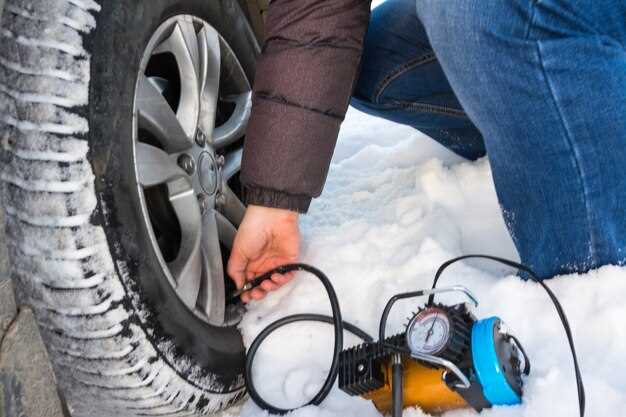
Maintenance of winter tires is crucial for performance and longevity. Regularly check tire pressure, as cold weather can cause it to decrease. Inflate tires to the recommended pressure found in the owner’s manual or on the driver’s side door jamb. Monitor tread depth frequently and replace tires that have worn down to 4/32 of an inch or less. Additionally, inspect for signs of uneven wear, which may indicate alignment or rotation issues.
During the winter season, it’s also important to keep winter tires clean, removing any accumulated snow or ice to prevent buildup that can affect performance. When the weather warms up, consider swapping out winter tires for summer or all-season tires to optimize your vehicle’s handling and efficiency. Proper installation and maintenance of winter tires will enhance safety and improve driving comfort during cold, wintry conditions.


