

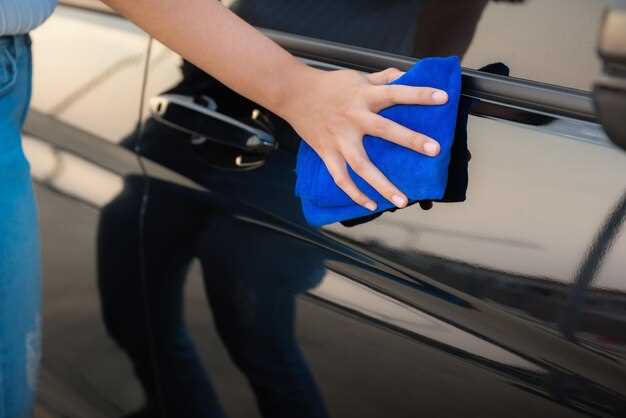
Washing your car is an essential part of maintaining its appearance and protecting its value. However, many car owners worry about the possibility of scratching their vehicle’s paint during the cleaning process. Achieving a scratch-free wash requires careful attention to detail and the right techniques. This guide will walk you through the steps necessary to safely clean your car without leaving any unsightly marks.
The first step to a successful wash is understanding the importance of using appropriate tools and materials. High-quality microfiber cloths and wash mitts are essential as they minimize the risk of scratches compared to traditional sponges or towels. Additionally, selecting a pH-neutral car shampoo can help preserve the integrity of your vehicle’s paint while effectively removing dirt and grime.
In this article, you will learn about the best practices for a safe and effective car wash. From the initial rinsing technique to the final drying process, each step matters in achieving a flawless, scratch-free finish. By following these guidelines, you can ensure that your car remains in pristine condition while receiving the care it deserves.
Choosing the Right Cleaning Products for Scratch-Free Results
Selecting the appropriate cleaning products is crucial for achieving a scratch-free finish when washing your car. Start with a high-quality car shampoo specifically formulated for automotive paint. Avoid household detergents, as they can strip protective wax coatings and damage the paint over time.
Look for shampoos that are pH-balanced and designed to lift dirt without abrasive particles. A foam or gel-based cleaner is ideal, as it allows for a gentle wash while providing excellent lubrication. Always check the label for compatibility with your vehicle’s surface and any gloss-enhancing features.
Consider using a dedicated microfiber wash mitt instead of traditional sponges. Microfiber is gentle on the paint, helping to reduce the risk of scratching. Additionally, products like wheel cleaners should be free of harsh acids or alkaline bases that can cause harm to rims and brake components.
For those who prefer a two-bucket washing method, using a grit guard in the bottom of both buckets can help prevent dirt from being reintroduced to the wash mitt. This will further ensure scratch-free results during the cleaning process.
Finally, incorporating a clay bar treatment after washing can eliminate any embedded contaminants without scratching the surface. Pair it with a lubricant designed for clay bars to enhance the effectiveness and maintain the car’s shine. Choosing the right products is essential for a successful and scratch-free wash.
Techniques for Using a Microfiber Cloth Safely
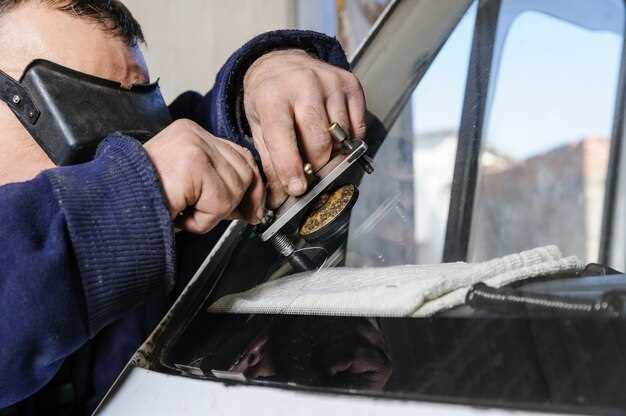
When washing your car, using a microfiber cloth is essential for achieving a scratch-free finish. To ensure optimal results, start by selecting high-quality microfiber cloths specifically designed for automotive use. These cloths often have a plush texture that minimizes the risk of scratching the paint surface.
Prior to washing, make sure to rinse your car thoroughly to remove any loose dirt or debris. This step helps prevent scratches during the washing process. It’s also advisable to fold the microfiber cloth into quarters, allowing you to use multiple clean surfaces while washing. This technique reduces the chance of introducing contaminants onto the vehicle’s surface.
During the wash, apply gentle pressure and use straight, overlapping motions instead of circular scrubbing. This technique prevents swirl marks and helps lift dirt away from the surface without causing scratches. Always avoid using a dry microfiber cloth on a dirty surface, as this can trap particles and lead to unwanted scratches.
After washing, use a separate microfiber cloth for drying. Ensure that the cloth is clean and dry to effectively soak up water without scratching the paint. Regularly check your microfiber cloth for trapped debris and wash it according to the manufacturer’s instructions to maintain its efficacy for future use.
By following these techniques, you can confidently wash your car while keeping its exterior scratch-free and preserving its shine.
Step-by-Step Process for Washing Your Car Without Damage
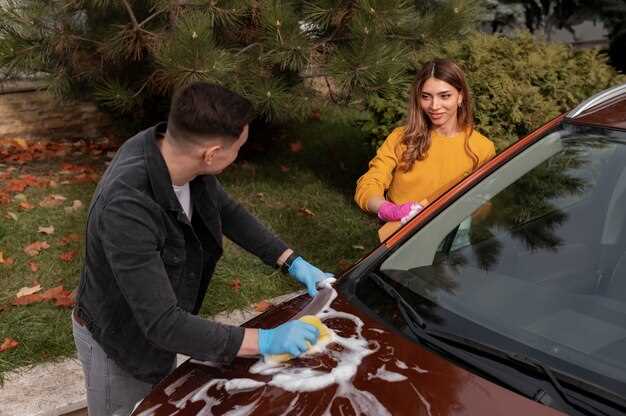
Start by gathering all necessary supplies, including a high-quality car wash soap, microfiber wash mitts, a soft sponge, and a hose with a spray nozzle. Ensure you also have access to clean water and drying towels that are gentle on your vehicle’s surface.
Begin by rinsing your car thoroughly with water to remove loose dirt and debris. Use the hose with a spray nozzle to control the water flow and avoid the accumulation of dirt that can scratch the surface during washing. Make sure to focus on areas where dirt tends to accumulate, such as the wheel wells and undercarriage.
Next, prepare your washing solution by mixing the car wash soap with water in a bucket, following the manufacturer’s instructions. Avoid using dish soap, as it can strip wax and harm your vehicle’s finish.
Using a microfiber wash mitt, dip it into the soapy water, allowing it to absorb the solution. Start washing your car from the top and work your way down. This method prevents dirt from being dragged across the surface and causing scratches. Be gentle and use straight, even motions rather than circular ones.
Rinse the wash mitt frequently in clean water to remove trapped dirt particles. This will help minimize the risk of scratching. If you encounter stubborn spots, you can use a soft sponge, but always ensure it is clean and free of debris before making contact with the car’s surface.
After washing the entire car, rinse thoroughly with water again to remove all soap residues. Pay special attention to areas where soap can linger, such as around trim and emblems. A long hose or a pressure washer on a gentle setting can make this task easier.
Once rinsed, dry your car using soft, plush drying towels to avoid water spots and surface scratches. Gently blot the surface instead of dragging the towel across it. For areas with crevices, consider using a dedicated drying cloth for a safe and effective finish.
Finally, inspect your car for any missed spots or residual dirt. If needed, perform touch-ups using a clean microfiber cloth and a quick detailer spray. This will ensure your car maintains its shine and scratch-free appearance.


