

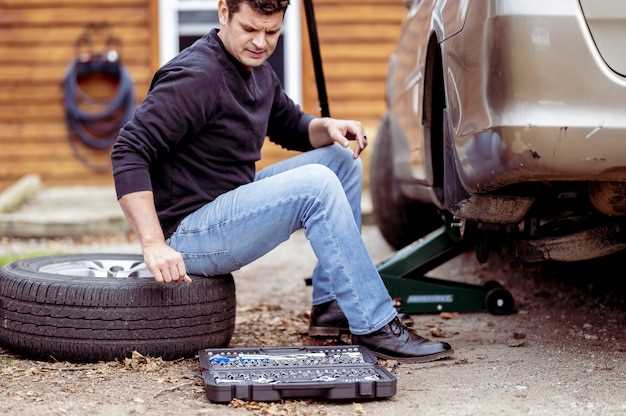
When it comes to vehicle maintenance, the importance of tires cannot be overstated. They are the only contact between your car and the road, making their condition crucial for your overall safety. Over time, tires can wear down, lose their grip, and even become hazardous. Understanding the signs that indicate it’s time for a replacement can help ensure your vehicle remains safe and reliable.
Regularly inspecting your tires is essential to prevent potential accidents. Factors such as tread wear, age, and even visible damage can all signal the need for new tires. Ignoring these warning signs not only jeopardizes your safety but can also lead to costly repairs down the line. Knowing what to look for can empower you to make timely decisions about your tire maintenance and replacement.
In this article, we will discuss the key indicators that suggest your old tires are due for a replacement. By paying attention to these signs, you can enhance your vehicle’s performance and ensure a safer driving experience for you and your passengers.
Understanding Tread Wear Indicators
Tread wear indicators are essential features designed to help drivers assess the condition of their tires. These indicators, commonly referred to as wear bars, are small raised sections within the tire grooves that become visible as the tread wears down. When the tread reaches the same level as these indicators, it signifies that the tire has lost a significant amount of its tread depth and should be replaced.
Tread depth is crucial for maintaining optimal safety on the road. Tires with adequate tread depth provide better traction, especially in wet or slippery conditions. When the tread becomes too shallow, the risk of hydroplaning increases, and braking distances can lengthen, compromising overall vehicle safety. Therefore, regularly checking these indicators is vital to ensure that tires offer reliable performance.
If the tread wear indicators are flush with the tire surface, it is time to replace the tires. Continuing to drive on worn tires not only poses a safety hazard but can also lead to poor fuel efficiency and increased wear on other vehicle components. Thus, monitoring tread wear is an integral part of regular vehicle maintenance that should not be overlooked.
Identifying Common Performance Issues
When it comes to vehicle safety and performance, tires play a critical role. If you notice any of the following issues, it may be time to replace your old tires.
- Poor Traction: If your tires struggle to maintain grip on wet or slippery surfaces, it indicates worn tread patterns. Insufficient traction increases the risk of accidents and highlights the need to replace your tires.
- Vibration and Noise: Unusual vibrations or noise while driving can signal imbalances, misalignment, or internal tire damage. Addressing these issues promptly may require tire replacement.
- Decreased Fuel Efficiency: If you notice an increase in fuel consumption, it may be linked to tire performance. Worn or under-inflated tires generate more rolling resistance, prompting the need for replacements.
- Sidewall Damage: Cracks, bulges, or punctures in the sidewall are indicators of structural damage. Such issues cannot be reliably repaired, necessitating tire replacement for safety concerns.
- Tread Wear Indicators: Most modern tires have built-in tread wear indicators. If these indicators are visible, it’s time to replace the tires to ensure optimal performance.
Regular tire inspections and attention to performance issues not only enhance your driving experience but also ensure your safety on the road. Rather than risking potential hazards, proactively replacing old tires can save you from potential accidents and costly repairs down the line.
Assessing Age and Structural Integrity of Tires
Determining when to replace your tires involves evaluating both their age and overall structural integrity. Most manufacturers recommend replacing tires every six years, regardless of tread wear. Check the tire’s sidewall for the DOT date code, which indicates the week and year the tire was produced. If your tires are over six years old, it’s advisable to consider a replacement.
Additionally, inspect the condition of the tires regularly. Look for visible signs of damage such as cracks, bulges, or blisters on the sidewalls. These imperfections can compromise the tire’s structural integrity and lead to unsafe driving conditions. If you notice any of these issues, it’s crucial to replace the tires immediately.
Regularly assess the tread depth as well. Tires should have at least 2/32 of an inch of tread remaining. You can use the penny test; insert a penny into the tread with Lincoln’s head facing down. If you can see the top of his head, it’s time to replace your tires.
Performing these evaluations will help ensure your vehicle operates safely and efficiently, ultimately leading to a better driving experience.


