


The car air conditioning (AC) system is essential for maintaining a comfortable driving experience, especially during the hot summer months. Efficient cooling not only enhances passenger comfort but also contributes to the overall performance of your vehicle. Regular maintenance of the AC system is crucial to ensure it operates at peak efficiency and to avoid costly repairs down the line.
Keeping your car’s AC system in good condition requires attentiveness and understanding of its key components. From checking refrigerant levels to inspecting the condenser and cabin air filters, each aspect plays a vital role in ensuring optimal cooling. By following a few essential tips and adopting a routine maintenance schedule, you can significantly extend the lifespan of your AC system and enjoy a comfortable ride year-round.
Regularly Inspect and Replace Cabin Air Filters
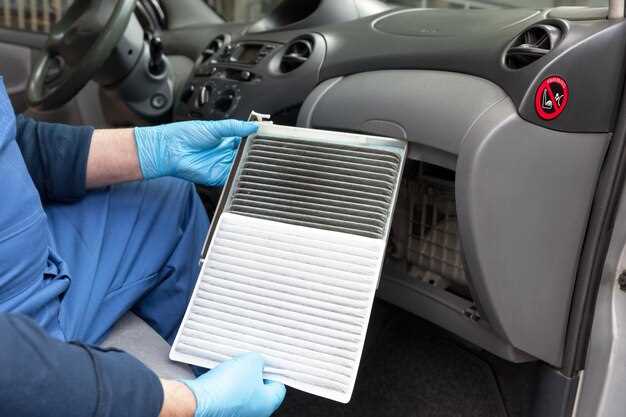
The cabin air filter plays a crucial role in maintaining a comfortable environment inside your car. It filters out dust, pollen, and other airborne contaminants, ensuring that the air you breathe while using the AC system remains clean and fresh.
To keep your car’s AC system operating efficiently, it is essential to inspect the cabin air filter regularly. A clogged or dirty filter can impede airflow, making your AC work harder and less efficiently. This can lead to increased wear and tear on the system, resulting in costly maintenance down the road.
Most manufacturers recommend checking the cabin air filter every 12,000 to 15,000 miles. If you drive in dusty or polluted environments, you may need to replace it more frequently. Replacing the cabin air filter is a simple maintenance task that can be performed at home with minimal tools.
When changing the filter, ensure you choose a high-quality product that meets your vehicle’s specifications. This will not only help maintain optimal airflow but also enhance the overall efficiency of your car’s AC system. A proactive approach to maintaining your cabin air filter is an effective way to ensure a pleasant driving experience.
Monitor AC Refrigerant Levels and Leak Detection

Maintaining optimal AC refrigerant levels is crucial for effective cooling performance. Insufficient refrigerant can lead to decreased efficiency, putting additional strain on the system and potentially leading to costly repairs. Regular checks should be conducted to ensure that the refrigerant is at the manufacturer-recommended level.
To monitor refrigerant levels, utilize pressure gauges specifically designed for AC systems. These gauges allow you to assess whether the pressure is within the appropriate range, indicating that the refrigerant level is adequate. If the pressure readings fall outside acceptable limits, it may signal a refrigerant leak or an issue with the AC system.
Leak detection is an essential part of AC maintenance. There are several methods to identify leaks in the system, including visual inspections, electronic leak detectors, and dye testing. A visual inspection involves looking for signs of oily residue around connections, hoses, and components, which could indicate a refrigerant leak.
Electronic leak detectors offer a more precise means of identifying leaks, as they can pinpoint even small amounts of escaping refrigerant. Dye testing involves adding a fluorescent dye to the refrigerant, which can be traced under UV light to locate leaks effectively.
Addressing leaks promptly is vital to restoring the cooling efficiency of your AC system. Ignoring refrigerant loss can lead to increased energy consumption, reduced cooling performance, and potential compressor damage. Regular monitoring and leak detection should be part of your routine AC maintenance to ensure your vehicle stays comfortable and operates efficiently.
Schedule Professional Maintenance and System Cleaning
Regular professional maintenance is essential for keeping your car’s AC system functioning efficiently. Scheduling service at least once a year helps identify potential issues before they become major problems. A qualified technician will check the refrigerant levels, inspect the compressor, and assess the condition of hoses and belts, ensuring that everything operates smoothly.
During the maintenance visit, the technician should also perform a thorough system cleaning. This process involves removing dirt, dust, and contaminants that can accumulate within the AC system, which can hinder performance and lead to foul odors. Cleaning the evaporator and condenser coils allows for better heat exchange, enhancing the overall efficiency of your car’s AC system.
In addition to improving performance, professional maintenance can also extend the lifespan of your AC system. Regular checks help to detect leaks or wear and tear early on, allowing for timely repairs and preventing costly replacements. Overall, investing in professional maintenance and system cleaning will ensure that your car’s AC remains a reliable source of comfort throughout the year.


