

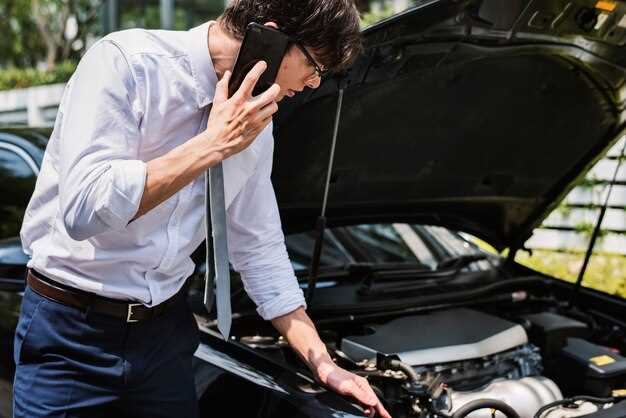
When your car won’t start, it can be frustrating and confusing. Among the myriad of potential problems, electrical issues are some of the most common culprits. Understanding these electrical failures can help you identify the root cause of the problem and take appropriate action.
One of the primary reasons your vehicle won’t start is a dead battery. Whether it’s simply old, or a result of leaving your lights on, a depleted battery can prevent the electrical systems from functioning properly. In addition to dead batteries, faulty connections or corroded terminals can also disrupt power flow, making it impossible to start the engine.
Another electrical issue to consider is the starter motor. If your car won’t respond when you turn the key, the starter may be failing or the wiring connected to it may be damaged. In this case, the electrical signal intended to activate the starter motor never reaches it, leaving you stranded.
Moreover, issues with the ignition switch can further complicate matters. A malfunctioning ignition switch can disrupt the electrical flow necessary to engage the starter, leading to the frustrating situation where your vehicle won’t start, even though the battery is fully charged.
Lastly, problems with the alternator can also be a factor in your vehicle’s failure to start. The alternator is responsible for recharging the battery while the engine runs; if it’s malfunctioning, the battery may not maintain a sufficient charge. All these electrical components play crucial roles in your car’s starting system, and diagnosing them early can save you time and money in repairs.
Battery Problems and How to Diagnose Them
One of the most common reasons your car may fail to start is battery issues. A malfunctioning battery can not only prevent the engine from turning over, but it can also affect various electrical components of your vehicle.
To effectively diagnose battery problems, follow these steps:
-
Check for Corrosion:
Inspect battery terminals for any signs of corrosion. A buildup of white or green powdery substance could indicate a poor connection.
-
Test the Battery Voltage:
Use a multimeter to measure the battery voltage. A fully charged battery should read around 12.6 volts. If the reading is below 12.4 volts, the battery may need recharging or could be failing.
-
Inspect Battery Cables:
Check the cables for fraying, cracking, or looseness. Ensure that connections are tight and secure to allow optimal electrical flow.
-
Look for Signs of Damage:
Examine the battery for any physical damage, such as cracks or leaks. A damaged battery should be replaced immediately as it poses safety risks.
-
Load Test the Battery:
If you have access to a load tester, perform a load test to see how well the battery holds up under pressure. This helps in determining if the battery can still start the car.
If you’ve gone through these steps and your car still won’t start, consider consulting a professional mechanic for further diagnosis. They can check the alternator and other related electrical systems that may also contribute to starting issues.
Starter Motor Failures: Identifying Symptoms and Solutions
The starter motor is a crucial component of your vehicle’s electrical system. When it fails, your car won’t start, leading to frustration and inconvenience. Identifying the symptoms of starter motor failure early on can help you address the issue before it escalates.
Common symptoms that indicate starter motor failure include a clicking sound when turning the ignition key, an unresponsive dashboard, or an intermittent starting issue. If you hear a single click but the engine won’t crank, this could signify a faulty starter solenoid or an electrical problem. Additionally, if the lights and accessories work but the engine doesn’t turn over, the starter motor might be at fault.
To resolve starter motor issues, start by checking the battery. A weak or dead battery can mimic starter failure. Ensure the battery connections are clean and tight. If the battery is in good condition, inspect the electrical connections to the starter for corrosion or loose wires.
If these steps do not resolve the problem, it may be necessary to test the starter motor. You can do this with a multimeter to check for proper voltage. If there is sufficient voltage but the starter still won’t engage, it likely requires replacement.
In some cases, tapping the starter motor with a hammer can temporarily fix the issue, allowing you to start the car. However, this is only a short-term solution and shouldn’t replace professional diagnostics or repairs.
Addressing starter motor failures promptly can save you from being stranded and ensure your car remains reliable. Regular maintenance and inspection of your vehicle’s electrical system can prevent these issues from occurring in the first place.
Alternator Malfunctions and Their Impact on Starting Your Vehicle

The alternator plays a crucial role in a vehicle’s electrical system, primarily by charging the battery and powering electrical components while the engine runs. If the alternator malfunctions, it can lead to several issues that may prevent your car from starting. A failing alternator won’t generate sufficient voltage, leaving the battery depleted.
When the alternator is not working correctly, it can cause the battery to discharge rapidly. This means even if you have a new or fully charged battery, your vehicle won’t start because there is no electrical power to engage the starter motor. Signs of a failing alternator include dimming headlights, warning lights on the dashboard, and electrical accessories that won’t operate properly.
Moreover, prolonged neglect of alternator issues can lead to more extensive electrical problems, further complicating the starting process. Ultimately, ensuring that the alternator functions properly is essential for reliable vehicle operation and to prevent starting problems down the road.


