

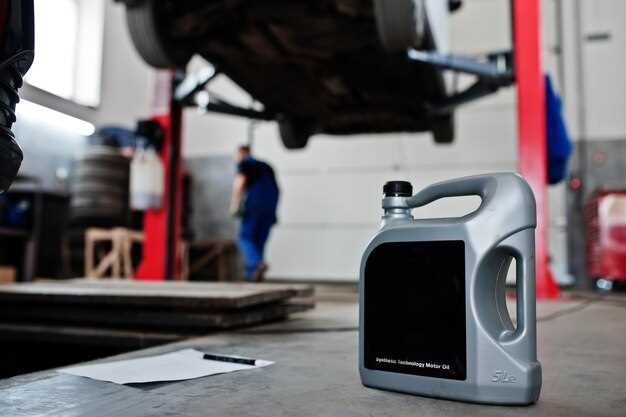
The proper maintenance of your vehicle’s transmission is essential for its longevity and optimal performance. One of the most critical components in this process is transmission fluid. It serves multiple functions, including lubrication, cooling, and ensuring smooth shifting between gears. Understanding the importance of transmission fluid and how it affects your vehicle can significantly impact its reliability and efficiency.
Regular maintenance of transmission fluid is not just about topping it off but involves understanding the type of fluid your vehicle requires, knowing how frequently to change it, and being aware of the signs that indicate potential problems. Ignoring these aspects can lead to severe transmission issues, which are often costly and time-consuming to repair.
This guide aims to provide you with essential information about transmission fluid, including types, maintenance schedules, and troubleshooting tips. By familiarizing yourself with these key factors, you can proactively ensure the health of your transmission and enhance your driving experience.
Understanding Different Types of Transmission Fluids
The type of transmission fluid used in a vehicle is crucial for its performance and longevity. There are primarily three categories of transmission fluids: automatic transmission fluid (ATF), manual transmission fluid, and dual-clutch transmission fluid.
Automatic transmission fluid (ATF) is designed specifically for automatic transmissions. It serves multiple functions including lubrication, cooling, and hydraulic pressure. ATF comes in various formulations, such as Dexron and Mercon, which are tailored for specific vehicle manufacturers. Regular maintenance includes checking and replacing ATF according to the manufacturer’s recommendations to ensure optimal transmission performance.
Manual transmission fluid, often thicker than ATF, is needed for vehicles with manual gearboxes. It provides lubrication and helps with gear shifts. Unlike ATF, which often contains additives for improved performance, manual transmission fluid is typically less complex in composition. Maintenance for manual transmissions generally involves periodic fluid changes to prevent wear and tear from contaminants.
Dual-clutch transmission fluid blends characteristics of both ATF and manual fluid, tailored for modern dual-clutch systems. This fluid requires specific properties to handle the unique shifting mechanism, ensuring smooth operation and efficient performance. Maintaining the right fluid level and quality is essential for dual-clutch systems to function correctly.
In summary, understanding the different types of transmission fluids is key for preventive maintenance. Using the correct fluid for your vehicle type and adhering to recommended maintenance schedules will help prolong the life of the transmission and improve overall vehicle performance.
Signs Your Transmission Fluid Needs Replacement

Understanding the condition of your transmission fluid is crucial for maintaining your vehicle’s performance. Here are key signs that indicate it’s time for a replacement.
1. Discoloration: Fresh transmission fluid typically appears bright red or pink. If the fluid is dark brown or has a burnt smell, it’s a strong indication that it has degraded and needs to be replaced.
2. Slipping Gears: If you notice that your car unexpectedly shifts gears or hesitates, this may signify low or contaminated transmission fluid, requiring immediate inspection and potential replacement.
3. Unusual Noises: Grinding, whining, or clunking sounds when changing gears can point to insufficient lubrication. This noise often means the fluid is old or not circulating properly, necessitating a change.
4. Fluid Leaks: If you spot red or pink fluid pooling under your vehicle, this indicates a leak in the transmission system. Addressing the leak and replacing lost fluid is essential for optimal transmission function.
5. Warning Lights: Many modern vehicles are equipped with a transmission or oil pressure light on the dashboard. If this light illuminates, it often means there’s a problem with the transmission fluid that requires immediate attention.
6. Poor Acceleration: A noticeable delay in your vehicle’s acceleration can indicate that the transmission fluid isn’t doing its job effectively. This can lead to further damage if not addressed promptly.
7. Overheating: Transmission fluid helps regulate temperature. If the fluid is old, it can’t effectively cool the transmission, leading to overheating issues that may require fluid replacement.
Regular maintenance and monitoring of the transmission fluid are essential for the longevity of your vehicle’s transmission. If you notice any of these signs, it is advisable to consult a professional for an evaluation and possible fluid replacement.
How to Properly Maintain Your Transmission Fluid

Maintaining your transmission fluid is essential for the longevity and performance of your vehicle. Proper fluid maintenance can prevent costly repairs and enhance the efficiency of your transmission system.
Here are key steps to ensure optimal transmission fluid maintenance:
-
Check Fluid Levels
- Regularly check the transmission fluid level using the dipstick.
- Ensure the car is on level ground and the engine is warm for an accurate reading.
- Add fluid as necessary to maintain proper levels, following manufacturer recommendations.
-
Inspect Fluid Condition
- Observe the color and consistency of the fluid.
- Healthy transmission fluid is typically bright red and translucent.
- Dark or burnt fluid indicates contamination and the need for a change.
-
Change Fluid Regularly
- Follow your vehicle’s maintenance schedule for fluid changes.
- Generally, it is recommended to change the fluid every 30,000 to 60,000 miles.
- Flush the system completely to remove old fluid and contaminants.
-
Use the Right Type of Fluid
- Always use the transmission fluid specified in your owner’s manual.
- Different vehicles require different fluid types, including synthetic options.
-
Check for Leaks
- Regularly inspect the ground under your vehicle for signs of fluid leaks.
- Address any leaks immediately to prevent fluid loss and transmission damage.
By following these maintenance steps, you can ensure that your transmission fluid remains in optimal condition, thereby supporting the overall health of your vehicle’s transmission system.


